
Introduction
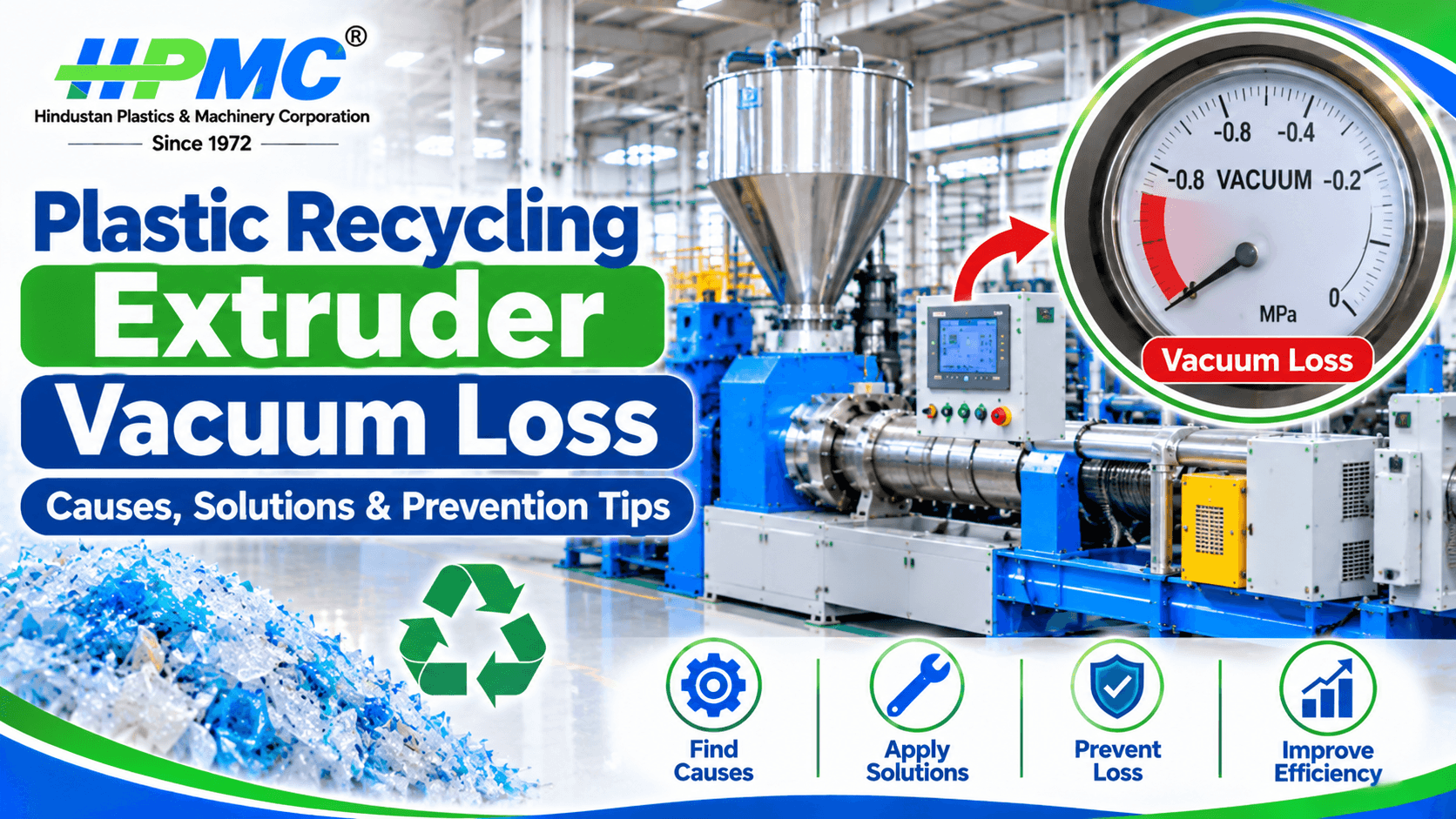
Plastic recycling extrusion requires stable temperature, pressure, material feeding and degassing conditions to produce consistent recycled plastic granules. During processing, waste plastic may contain moisture, trapped air, printing residues and volatile substances that can affect the quality of the molten polymer. A vacuum degassing system helps remove these unwanted components through a dedicated venting section in the extruder. However, when the vacuum level becomes unstable or drops unexpectedly, manufacturers may experience processing difficulties. This problem is known as Plastic Recycling Extruder Vacuum Loss.
Vacuum loss can occur because of air leakage, blocked vacuum lines, contaminated filters, moisture accumulation, pump performance problems or unsuitable operating conditions. If the issue continues, the extrusion process may become unstable and the quality of recycled material can be affected.
For plastic recycling manufacturers, understanding vacuum system performance is important for maintaining consistent production. Regular inspection, correct machine settings and preventive maintenance can help identify problems before they result in extended downtime.
This guide explains the common causes of plastic recycling extruder vacuum loss, its warning signs, troubleshooting methods, maintenance requirements and ways to improve degassing performance.
What Is Plastic Recycling Extruder Vacuum Loss?
Plastic Recycling Extruder Vacuum Loss refers to a situation where the vacuum degassing system cannot maintain the required vacuum level during plastic extrusion.
In a vented recycling extruder, the vacuum system is connected to a specially designed venting section. As the plastic melts and moves through the screw and barrel, moisture, trapped air and certain volatile components can escape through this section.
When the vacuum system loses its effectiveness, the removal of these unwanted components may become less efficient. Depending on the material and operating conditions, this can contribute to bubbles, surface imperfections, unstable processing and inconsistent recycled material quality.
The vacuum system generally includes a vacuum pump, connecting pipelines, filters, separators, valves, seals, pressure or vacuum monitoring instruments and the extruder venting arrangement. All these components need to work together for reliable operation.
How Does the Vacuum System Work in a Plastic Recycling Extruder?
A vacuum degassing system supports the removal of gases and moisture during the extrusion process. Its operation depends on the extruder design, material condition and vacuum arrangement.
The general process involves the following stages:
1. Plastic Material Feeding
Prepared plastic waste enters the extruder through the feeding system. Depending on the material, preprocessing may include sorting, shredding, washing and drying.
2. Melting and Plasticisation
Inside the heated barrel, the screw conveys and processes the plastic. Mechanical energy and controlled heating gradually convert the material into a molten polymer.
3. Vacuum Degassing
As the polymer reaches the venting section, moisture, trapped air and certain volatile components can escape. The vacuum system helps remove these substances through the vent opening.
4. Melt Filtration
After degassing, the molten plastic moves towards the filtration system. The filter removes suitable solid contaminants from the melt.
5. Pelletising
The processed polymer passes through the die and enters the selected pelletising arrangement. The resulting granules can be collected for suitable downstream manufacturing applications.
Manufacturers looking for machinery designed specifically for this process can explore the Vented Type Extruder for Recycling to understand its configuration and applications.
Common Causes of Plastic Recycling Extruder Vacuum Loss
1. Air Leakage in Vacuum Pipelines
Air leakage is one of the common reasons for unstable vacuum performance. Loose connections, damaged seals, worn-out gaskets and poorly fitted pipeline joints can allow outside air to enter the vacuum circuit.
Even a small leakage can influence the vacuum level, depending on the pump capacity and system design. Regular inspection of pipeline connections and sealing points helps identify these problems.
2. Blocked Vacuum Lines
Plastic recycling processes can release moisture, volatile substances and other residues. Over time, these substances may accumulate inside vacuum pipelines and restrict airflow.
A partially blocked pipeline can reduce the effectiveness of the vacuum system. Manufacturers should inspect the complete vacuum path rather than checking only the pump.
3. Contaminated Vacuum Filters
Vacuum filters help prevent unwanted particles and residues from entering sensitive components. When filters become dirty or clogged, airflow may become restricted.
This can affect vacuum performance and increase the load on the system. Filter cleaning or replacement should follow the equipment manufacturer's recommendations.
4. Vacuum Pump Performance Problems
The vacuum pump is responsible for creating the required vacuum conditions. Worn internal components, incorrect lubrication, overheating or insufficient maintenance may affect its performance.
A pump that cannot operate within its specified performance range may struggle to maintain the required vacuum during extrusion.
5. Moisture Accumulation
Plastic waste can contain residual moisture, especially when washed materials are not dried properly. Excessive moisture entering the extruder may increase the load on the degassing system.
Moisture accumulation in vacuum lines or separators can also affect system performance. Proper material preparation and suitable moisture management are therefore important.
6. Damaged Seals and Gaskets
Seals and gaskets maintain airtight connections across different vacuum system components. With continuous operation, heat exposure, vibration and normal wear may affect their condition.
Damaged sealing components can create leakage points and lead to unstable vacuum readings.
7. Incorrect Operating Conditions
Extruder temperature, screw speed, material feeding and polymer characteristics influence degassing performance.
If the material is processed outside the suitable operating range, the vacuum system may not perform as expected. Machine settings should be reviewed according to the feedstock and manufacturer's recommendations.
8. Excessive Material at the Venting Section
If the venting area becomes overloaded with molten material, the opening may become contaminated or partially blocked.
This can reduce the available path for gases to escape. Screw design, material feeding and operating conditions should be checked when repeated vent blockage occurs.
Common Signs of Vacuum Loss in Plastic Recycling Extruders
Identifying early warning signs can help manufacturers prevent prolonged production interruptions.
1. Unstable Vacuum Gauge Readings
Frequent changes in vacuum readings may indicate leakage, restricted pipelines, pump problems or unstable operating conditions.
Operators should compare readings with the machine's recommended operating range instead of relying on a single observation.
2. Bubbles in Recycled Plastic
If moisture or trapped gases are not removed effectively, bubbles and voids may appear in the processed material. However, bubbles can also have other causes, including insufficient drying and unsuitable processing conditions.
3. Poor Surface Finish
Vacuum-related degassing problems may contribute to surface imperfections in some recycled products. The material condition and other extrusion parameters should also be examined.
4. Unusual Vacuum Pump Noise
Unexpected noise, vibration or overheating may indicate a mechanical problem or an operating condition that requires inspection.
5. Reduced Degassing Performance
When the vacuum system cannot remove gases effectively, the quality and stability of the extrusion process may become inconsistent.
6. Frequent Production Interruptions
Repeated vacuum alarms, vent blockages and pump-related problems may require troubleshooting and maintenance, affecting production schedules.
How to Troubleshoot Plastic Recycling Extruder Vacuum Loss
A systematic troubleshooting approach helps operators identify the actual cause instead of changing machine settings unnecessarily.
Step 1: Check the Vacuum Gauge
Observe the vacuum reading during normal operation and compare it with the recommended range specified by the machine manufacturer. Record whether the reading drops suddenly or gradually.
Step 2: Inspect Pipeline Connections
Check vacuum hoses, pipe joints, valves, clamps and sealing points for visible damage or leakage. Loose connections should be corrected according to the maintenance procedure.
Step 3: Inspect Vacuum Filters
Check filters for dust, polymer residues and other accumulated contaminants. Clean or replace them as recommended by the manufacturer.
Step 4: Examine the Vacuum Pump
Inspect the pump for abnormal noise, overheating, lubrication problems and visible damage. Follow the manufacturer's maintenance instructions.
Step 5: Check the Venting Section
Inspect the venting area for material buildup or blockage. Any cleaning or inspection must be performed after safe shutdown and isolation of the machine.
Step 6: Review Material Moisture
Check whether incoming plastic waste has been properly prepared and dried where required. Excessive moisture can increase the degassing load.
Step 7: Review Extrusion Settings
Evaluate feeding rate, screw speed and temperature settings according to the material being processed. Avoid making major adjustments without understanding their effect on the complete extrusion process.
How to Prevent Vacuum Loss in Plastic Recycling Extruders
1. Perform Regular Vacuum System Inspection
Inspect vacuum pipelines, connections, filters, valves and seals at scheduled intervals. Early identification of worn components can help prevent unexpected failures.
2. Maintain the Vacuum Pump
Follow the recommended lubrication, cleaning and servicing schedule. Monitor operating temperature, vibration and unusual sounds.
3. Keep Vacuum Pipelines Clean
Remove accumulated residues using the approved cleaning procedure. Ensure that pipeline inspection and cleaning are included in preventive maintenance.
4. Control Material Moisture
Use suitable washing and drying arrangements for feedstock that requires moisture removal before extrusion. A vacuum system should not be treated as a universal replacement for proper material drying.
5. Monitor Operating Parameters
Maintain records of vacuum readings, extrusion temperature, screw speed, feeding conditions and production output. These records can help identify recurring problems.
6. Replace Worn Sealing Components
Inspect gaskets, seals and joints regularly. Replace damaged components with suitable parts recommended for the machine.
7. Train Machine Operators
Operators should understand vacuum gauge readings, common warning signs, safe shutdown procedures and basic troubleshooting requirements.
Importance of a Vented Extruder in Plastic Recycling
A vented extruder is designed to provide a dedicated section for removing moisture, trapped air and certain volatile components during plastic processing.
The effectiveness of this arrangement depends on the screw configuration, venting design, vacuum system, material condition and operating parameters.
A properly selected vented extrusion system can support more controlled degassing and stable processing of suitable recycled materials.
HPMC offers a Vented Recycling Plant designed for suitable polymer processing and recycling applications. The machine configuration should be selected according to the type of plastic, feedstock condition, required production capacity and final product specifications.
How Vacuum Loss Affects Recycled Plastic Quality
Vacuum performance is an important part of the overall recycling process because unwanted gases and moisture can influence the molten polymer.
Formation of Bubbles and Voids
When trapped gases are not removed effectively, they may remain in the polymer and contribute to bubbles or voids in the processed material.
Surface Quality Problems
Insufficient degassing can contribute to surface imperfections in certain applications. The final result also depends on polymer type, temperature and other processing conditions.
Inconsistent Processing
Unstable vacuum conditions can affect the consistency of degassing and may create variations in extrusion performance.
Increased Maintenance Requirements
Repeated vacuum loss may require additional inspection, cleaning and replacement of components, increasing maintenance requirements.
Production Downtime
If the vacuum system cannot operate properly, manufacturers may need to interrupt production for troubleshooting and repairs.
Choosing the Right Plastic Recycling Extrusion System
Selecting suitable machinery is important for maintaining reliable extrusion and degassing performance.
1. Consider the Type of Plastic
Identify whether you are processing PP, LDPE, HDPE, LLDPE, ABS or other suitable polymers. Different materials require different processing conditions.
2. Evaluate Feedstock Quality
Consider moisture, contamination, material size, printing residues and the consistency of the incoming plastic waste.
3. Check the Vacuum Configuration
Understand the vacuum pump arrangement, venting section, pipelines, filters, separators and monitoring instruments.
4. Evaluate Extruder Capacity
The extrusion system should match the required production output and actual material characteristics.
5. Check Filtration Compatibility
Melt filtration is another important part of recycling extrusion. A suitable Automatic Self-Cleaning Laser Filter may be considered for applications requiring continuous melt filtration and automatic contaminant removal.
6. Consider Complete Recycling Plant Integration
The vacuum system should work effectively with feeding, compaction, extrusion, filtration and pelletising equipment. A suitable Two Stage Recycling Plant may also be evaluated when the feedstock and production requirements justify a two-stage extrusion arrangement.
Maintenance Checklist for an Extruder Vacuum System
Preventive maintenance helps maintain reliable vacuum performance and reduces the risk of unexpected interruptions.
Manufacturers should include the following activities in their maintenance schedule:
- Inspect vacuum pipelines and connections.
- Check all accessible seals and gaskets.
- Monitor vacuum gauge readings.
- Inspect filters and separators.
- Check vacuum pump lubrication according to manufacturer instructions.
- Observe pump temperature, vibration and noise.
- Inspect the venting section for material accumulation.
- Check valves and pipeline connections.
- Record vacuum-related alarms and performance changes.
- Replace worn components when required.
Always isolate electrical and mechanical power before opening, cleaning or servicing the vacuum system. Allow hot components to cool and follow the manufacturer's safety and lockout procedures.
Best Practices for Improving Vacuum System Performance
Maintaining good vacuum performance requires attention to both the machine and the incoming plastic material.
Manufacturers should maintain consistent feedstock quality, avoid excessive moisture, inspect the vacuum system regularly and operate the extruder within recommended parameters.
The vacuum pump should be correctly matched to the application, and pipelines should be designed to minimise unnecessary restrictions. Filters and separators must also be maintained to prevent contamination and airflow problems.
If vacuum loss occurs repeatedly, investigate the complete system rather than replacing the vacuum pump immediately. Leakage, vent blockage, material overload and unsuitable operating conditions can produce similar symptoms.
Working with an experienced machinery manufacturer can help identify the appropriate vacuum configuration for the recycling application.
Conclusion
Plastic Recycling Extruder Vacuum Loss can affect degassing performance, extrusion stability and recycled material quality. Common causes include pipeline leakage, blocked vacuum lines, contaminated filters, vacuum pump problems, damaged seals, excessive moisture and unsuitable operating conditions.
Manufacturers can reduce these problems through regular inspections, proper material preparation, preventive maintenance and continuous monitoring of vacuum readings. It is also important to select a vented extruder and vacuum arrangement that match the actual plastic material and production requirements.
A properly maintained vacuum system, combined with suitable extrusion, filtration and pelletising equipment, helps support reliable plastic recycling operations. Identifying the cause of vacuum loss early can reduce unnecessary downtime and help maintain consistent production.
Contact Hindustan Plastics and Machinery Corporation (HPMC)
Hindustan Plastics and Machinery Corporation (HPMC) provides plastic extrusion, recycling, compounding and reprocessing machinery solutions for industrial applications. Manufacturers experiencing vacuum loss or planning to install a new recycling extrusion system can contact HPMC to discuss suitable machinery configurations.
Company: Hindustan Plastics and Machinery Corporation (HPMC)
Address: 5, Category II, DSIDC Industrial Area, Nangloi, Delhi – 110041, India
Phone: +91 95605 96392
Email: info@hindustanplastics.com
Website: https://www.hindustanplastics.com/
Request a Quote: https://www.hindustanplastics.com/get-in-touch
Google Business Profile: https://share.google/lBK4uD53HqY891ynv
When contacting HPMC, share the plastic material type, moisture level, contamination condition, required production capacity and existing vacuum system configuration.
Contact HPMC today to discuss your plastic recycling extrusion requirements and explore suitable machinery solutions for your production facility.
Frequently Asked Questions
Find quick answers to the most common questions about this topic.
Plastic Recycling Extruder Vacuum Loss occurs when the vacuum degassing system cannot maintain the required vacuum level during extrusion, affecting the removal of moisture, trapped air and volatile components.
Common causes include air leakage, blocked pipelines, contaminated filters, damaged seals, vacuum pump problems, moisture accumulation and unsuitable operating conditions.
Vacuum loss may contribute to bubbles, voids, surface imperfections and inconsistent processing, depending on the material and extrusion conditions.
Yes. Accumulated residues and contaminants can restrict airflow inside the vacuum pipeline and reduce degassing performance.
Unusual noise, vibration, overheating, lubrication issues and unstable vacuum readings can indicate a possible pump problem. Proper inspection is necessary to confirm the cause.
Yes. Excessive moisture in incoming plastic can increase the degassing load and may affect vacuum system performance. Proper material drying is important.
Maintenance frequency depends on operating hours, material condition and machine design. Follow the manufacturer's recommended inspection and servicing schedule.
A properly configured vented extruder can help remove moisture, trapped air and certain volatile components during processing. Its effectiveness depends on feedstock and operating conditions.
Check the vacuum gauge, pipelines, seals, filters, valves, venting section and vacuum pump. Also review material moisture and operating conditions.
Consider the polymer type, feedstock condition, moisture level, required output, venting arrangement, vacuum pump capacity, filtration system and complete extrusion line configuration.